Talc Powder: Industrial Uses, Quality Specifications and Buyer Selection Guide
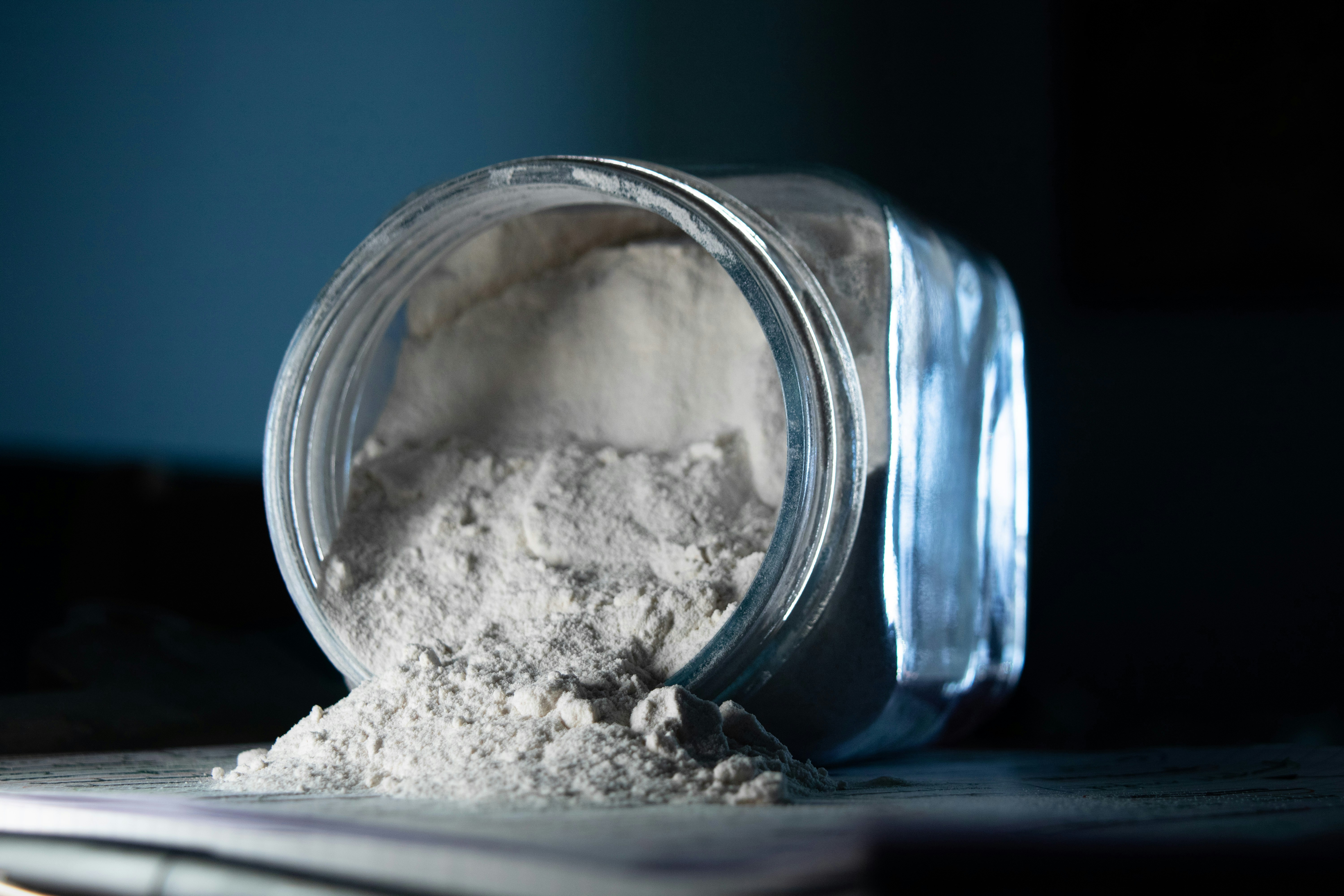
Talc powder plays an important role in industrial manufacturing because of its softness, layered particle structure, chemical stability and ability to improve the performance of different materials. Manufacturers use this naturally occurring mineral in plastics, paints, paper, ceramics, rubber and several other industrial products.
For chemical traders, procurement managers and industrial buyers, talc powder offers opportunities across multiple manufacturing sectors. However, selecting the right grade requires more than comparing prices. Particle size, mineral purity, whiteness, moisture content and chemical composition all influence product suitability and manufacturing performance.
1. What Is Talc Powder and Why Is It Used in Industry?
Talc is a naturally occurring hydrated magnesium silicate mineral with the chemical formula Mg₃Si₄O₁₀(OH)₂. It forms through geological processes involving magnesium-rich rocks and occurs in deposits across different regions.
Industrial manufacturers extract talc-bearing rocks and process them through crushing, drying, grinding and classification to produce different powder grades.
Its distinctive properties make it useful across several industries:
Softness: Talc is the softest naturally occurring mineral, with a Mohs hardness of 1. This makes it suitable for applications requiring smooth textures and low abrasiveness.
Layered particle structure: Its plate-like particles support reinforcement, barrier performance and surface modification in selected formulations.
Chemical stability: Talc offers chemical inertness under many industrial processing conditions.
Moisture resistance: Its hydrophobic characteristics make it useful in applications where water resistance and moisture control matter.
Thermal stability: Talc can withstand elevated temperatures, supporting its use in ceramics and selected manufacturing processes.
Lubricating characteristics: Its smooth particle structure helps reduce friction in certain industrial applications.
These characteristics allow manufacturers to use talc as a functional filler, processing aid and performance-enhancing mineral rather than simply as an inexpensive raw material.
2. Major Industrial Applications of Talc Powder
Talc powder serves different purposes depending on the manufacturing industry and the specifications of the selected grade.
Plastics and polymer manufacturing
Plastic manufacturers use talc as a functional filler and reinforcing additive in polypropylene, polyethylene and other polymer systems.
Its plate-like particles can improve stiffness, dimensional stability and heat resistance in suitable formulations. Automotive components, household appliances, packaging materials and moulded plastic products represent important application areas.
In polypropylene manufacturing, talc helps manufacturers develop components with specific mechanical and dimensional properties. Surface-treated grades can also improve compatibility and dispersion within selected polymer systems.
Paints and coatings
Talc acts as an extender and functional filler in decorative paints, industrial coatings and protective finishes.
Its applications include:
Improving paint consistency and surface smoothness.
Supporting suspension and controlling formulation rheology.
Contributing to coating durability and barrier characteristics.
Helping control gloss and improve the finish of selected coatings.
Supporting anti-corrosion formulations when combined with suitable coating systems.
Manufacturers select grades according to particle size, whiteness, oil absorption and compatibility with their coating formulations.
Paper and pulp manufacturing
Paper producers use talc as a filler and coating ingredient. It can improve paper smoothness, printability and opacity while helping control pitch deposits associated with certain wood-based raw materials.
Its use depends on paper grade, production conditions and the required surface characteristics.
Ceramics and construction materials
Talc supplies magnesium oxide in ceramic formulations and influences firing behaviour, thermal expansion and shrinkage. Manufacturers use it in ceramic tiles, sanitaryware, electrical ceramics and selected speciality ceramic products.
These properties help producers control the physical characteristics of finished ceramic materials.
Rubber manufacturing
Rubber producers use talc as a filler and processing aid. It can improve handling, reduce stickiness during processing and contribute to surface finish and barrier properties in selected rubber compounds.
Industrial rubber goods, belts, hoses and specialised rubber components represent relevant application areas.
These applications demonstrate why buyers must select talc according to its intended function. A grade suitable for ceramics may not provide the required particle characteristics for plastic reinforcement or premium coatings.
3. Understanding Talc Powder Grades and Specifications
Talc powder is available in different industrial grades based on mineral composition, processing methods and customer requirements. Suppliers may classify products by colour, particle size, brightness and intended application.
However, labels such as paint grade, plastic grade or ceramic grade do not automatically guarantee identical technical properties across suppliers.
Buyers should focus on measurable specifications.
Chemical composition
The main chemical composition of talc includes magnesium oxide, silica and water associated with its mineral structure. Buyers should examine the chemical analysis to identify variations and impurities.
Particle size and fineness
Particle size influences dispersion, surface finish and processing behaviour. Suppliers commonly express fineness through mesh size or micron measurements.
For finer products, D50 and D97 measurements provide additional information about particle-size distribution.
Whiteness and brightness
These parameters matter particularly in paints, paper, plastics and ceramic applications where the final product's appearance is important.
Moisture content
Excess moisture can affect storage, material flow and processing performance. Plastic compounders and other industrial manufacturers often require carefully controlled moisture levels.
Loss on ignition (LOI)
LOI indicates the mass lost when a sample undergoes heating under specified test conditions. It helps buyers evaluate mineral composition and identify differences between grades.
Oil absorption
Paint and coating manufacturers use oil absorption measurements to understand how much binder a mineral may require in a formulation. Differences can influence formulation costs and processing characteristics.
Particle morphology
Talc's plate-like particle structure contributes to its functional performance. Buyers should consider particle shape and aspect ratio alongside particle size when purchasing reinforcement or barrier grades.
4. How Quality Specifications Differ Across Applications
One of the most important procurement decisions involves matching talc specifications with the final product's performance requirements.
Different industries prioritise different properties, so buyers should avoid purchasing based on whiteness or mesh size alone.
Plastics: Particle-size distribution, aspect ratio, moisture, surface treatment and dispersion characteristics are important. These properties influence stiffness, dimensional stability and finished-product quality.
Paints and coatings: Whiteness, brightness, oil absorption, particle size and chemical purity affect coating appearance and formulation behaviour.
Paper: Brightness, purity, particle size and abrasion characteristics influence paper appearance, printability and production performance.
Ceramics: Mineral composition, iron content, LOI and particle size influence firing behaviour, shrinkage and finished-product colour.
Rubber: Particle morphology, moisture content, purity and dispersion characteristics influence compound processing and final performance.
For buyers, the best approach is to develop an application-specific technical specification before requesting quotations. This makes supplier comparisons more meaningful and reduces the risk of purchasing an unsuitable grade.

5. Talc Powder Quality Testing and Supplier Documentation
Quality testing helps buyers confirm whether a supplied talc grade meets the technical requirements of their manufacturing processes.
A supplier's product description may provide basic information, but industrial procurement requires supporting documentation and measurable test results.
Important quality-control checks include:
X-ray fluorescence (XRF): Helps determine elemental composition and identify variations in mineral chemistry.
X-ray diffraction (XRD): Helps identify mineral phases and assess mineralogical composition.
Particle-size analysis: Confirms fineness and particle-size distribution through appropriate laboratory methods.
Whiteness testing: Measures the optical characteristics required for appearance-sensitive applications.
Moisture testing: Determines moisture levels that may influence storage and processing.
LOI testing: Evaluates weight loss under specified heating conditions.
Microscopic examination: Helps assess particle morphology and identify certain mineral impurities.
Buyers should request a Certificate of Analysis (COA) for each relevant shipment or production batch. A Technical Data Sheet (TDS) and Safety Data Sheet (SDS) should also accompany the purchasing documentation.
Mineral origin and contamination control deserve particular attention. Talc deposits can contain associated minerals, including asbestos-form minerals, depending on geological conditions. Buyers should require suitable mineralogical testing, traceable sourcing and appropriate asbestos-related testing for the intended application.
This is particularly important for products intended for personal care, pharmaceutical or other tightly regulated applications. Industrial-grade talc should never automatically qualify as a substitute for specialised grades intended for those markets.
6. Global Supply, Production and Sourcing Considerations
Talc production depends on geological reserves, mining capacity, processing infrastructure and the availability of suitable deposits.
Major producing countries include China, India, the United States, Finland and France. Their production capabilities and mineral characteristics differ, giving international buyers several potential sourcing options.
NCBI Bookshelf+1
Pakistan also has important talc resources, particularly in Khyber Pakhtunkhwa. Areas including Swat, Sherwan, Jamrud and other mineral-rich locations contribute to the country's talc supply potential.
TDAP+1
International buyers should evaluate suppliers according to several commercial and technical considerations:
Raw material quality: Geological origin can influence mineral purity, colour and associated impurities.
Processing capabilities: Grinding, classification and surface-treatment facilities determine whether suppliers can consistently produce the required grade.
Export experience: Suppliers should understand international documentation, packaging requirements and shipment procedures.
Production capacity: Buyers purchasing bulk quantities need suppliers capable of maintaining regular production and delivery schedules.
Logistics: Freight costs, port access, container availability and packaging can influence the landed cost of talc powder.
Developing alternative supplier relationships can also help manufacturers reduce dependency on a single source and manage unexpected supply interruptions.
7. Factors Influencing Talc Powder Prices
Talc powder prices vary according to grade, quality, processing requirements and commercial purchasing conditions. Two products described simply as talc powder may have considerably different prices because their specifications and intended applications differ.
Several factors influence procurement costs:
Purity and mineral composition: Higher-purity grades with controlled impurity levels may require additional processing and quality checks.
Particle fineness: Micronised and tightly classified grades generally involve more processing than conventional coarser powders.
Whiteness: High-brightness grades may attract higher prices because of mineral selection and beneficiation requirements.
Surface treatment: Coated talc grades require additional processing to improve compatibility with specific formulations.
Order volume: Bulk purchasing can influence unit prices, packaging costs and transportation economics.
Shipping and logistics: Freight rates, export costs and delivery distance affect the final landed price.
For procurement managers, comparing suppliers on a delivered-cost basis provides a better understanding of commercial value than evaluating the quoted price per tonne alone.
8. What Buyers Should Check Before Purchasing Talc Powder
A structured sourcing process helps industrial buyers reduce quality risks and select reliable suppliers.
Before confirming a bulk order, procurement teams should consider the following steps:
Define the application: Identify whether talc will serve as a filler, reinforcing agent, processing aid or ceramic raw material.
Set technical specifications: Establish acceptable limits for purity, particle size, whiteness, moisture and other relevant properties.
Request documentation: Obtain a current COA, TDS and SDS, together with suitable mineralogical and contamination testing.
Evaluate samples: Conduct laboratory and production trials to confirm compatibility with the intended formulation.
Assess supplier reliability: Review manufacturing capacity, quality-control procedures and previous supply performance.
Compare commercial terms: Evaluate minimum order quantities, packaging, payment terms, freight and delivery schedules.
Confirm repeatability: Ensure the supplier can maintain the approved specifications across future shipments.
These checks are especially valuable for manufacturers that depend on consistent mineral inputs to maintain product quality and production efficiency.
The Bottom Line for Talc Powder Buyers and Chemical Traders
Talc powder remains an important industrial mineral because its softness, layered structure, chemical stability and thermal characteristics support a wide range of manufacturing applications. Plastics, paints, paper, ceramics and rubber producers all use specialised talc grades to achieve different technical and commercial objectives.
For procurement teams, successful sourcing requires a clear understanding of application-specific specifications, reliable quality documentation and supplier consistency. Traders who understand the differences between industrial grades can also identify better sourcing opportunities and serve manufacturers more effectively.
.
Kaolin
Found this useful?