Uniper and Biotrend Explore Turkish Biomethane Production for European Export Markets
Turkey is attracting attention as a potential supplier of renewable gas to European markets following a cooperation agreement between German energy company Uniper and Turkish energy company Biotrend. The partners plan to assess whether existing waste-based biogas facilities can transition to biomethane production and supply customers across the European Union.
For industrial buyers, energy procurement managers and international traders, the initiative highlights a potential new route for renewable gas sourcing. By combining Turkey’s organic waste resources with existing gas infrastructure, the project could create commercial opportunities in renewable energy, industrial decarbonisation and cross-border gas trading.
Turkey’s Biomethane Potential Draws European Interest
Uniper and Biotrend have signed a Memorandum of Understanding to assess biomethane production in Turkey and explore opportunities to export the renewable gas to European markets. The initial work will focus on the suitability of Biotrend’s existing waste-based biogas facilities for conversion.
Biotrend’s current portfolio offers an estimated biomethane production potential of approximately 1.4 terawatt-hours per year. Turkey’s broader untapped biomethane potential could reach 50 terawatt-hours annually, suggesting that the country may have significant resources to support a developing renewable gas industry.
The agreement establishes a framework for technical and commercial evaluation rather than a confirmed investment or supply contract. Future projects will depend on regulatory approvals, sustainability certification and the technical and economic feasibility of individual facilities.
From Organic Waste to Renewable Biomethane
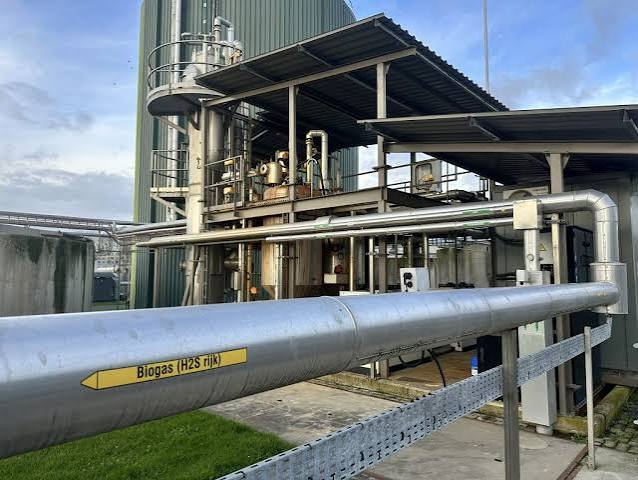
Biomethane production offers a way to turn organic waste into a valuable energy resource. The process begins with biogas generation, which uses organic materials to produce a gas mixture containing methane, carbon dioxide and other components.
Gas upgrading then removes unwanted components and increases the methane concentration to meet the required specifications. The resulting biomethane can potentially serve applications that currently rely on natural gas, subject to the relevant technical requirements.
For Biotrend, converting existing biogas-to-power facilities could offer an alternative to using biogas exclusively for electricity generation. The partners will need to evaluate each facility's feedstock availability, gas composition, upgrading requirements and connection to suitable infrastructure.
Several factors will influence the commercial potential of this conversion:
Organic waste availability: Consistent feedstock supplies help support reliable production throughout the year.
Gas upgrading requirements: Facilities need appropriate treatment systems to produce biomethane that meets network and customer specifications.
Existing infrastructure: Reusing suitable equipment and facilities could help limit the need for entirely new installations.
Operational efficiency: Energy consumption, maintenance requirements and plant performance will affect production costs.
Product certification: Buyers need reliable documentation confirming the origin and sustainability characteristics of the gas.
Existing Gas Networks Could Support European Exports
One of the most important aspects of the Uniper and Biotrend initiative is the potential to use existing natural gas infrastructure. Rather than building an entirely separate transportation network, the partners are assessing whether biomethane could enter Turkey’s gas grid and move toward European markets.
Subject to Turkish regulations and European certification requirements, potential transportation routes could lead toward Greece or Bulgaria before the gas enters the European Union. This approach could connect Turkish production facilities with established gas trading and distribution networks.
Using established infrastructure could offer several advantages for future suppliers and buyers. However, actual transportation arrangements will depend on network access, gas quality specifications, regulatory compatibility and the commercial agreements reached by the participating companies.
What the Partnership Means for Renewable Gas Buyers
The cooperation could eventually introduce another source of renewable gas for European industrial customers. For procurement managers, supply diversification may become particularly relevant as businesses explore ways to reduce emissions without replacing every gas-powered process with electrical alternatives.
Biomethane can potentially support industrial heating, selected manufacturing processes and transport applications that use compatible gas infrastructure. Its suitability depends on the technical requirements of each application and the contractual terms governing the supply.
The potential benefits for buyers include:
Additional sourcing options: Turkish production could expand the geographical range of renewable gas suppliers available to European customers.
Infrastructure compatibility: Biomethane can potentially use existing gas networks when it meets applicable quality standards.
Waste-based production: Organic waste provides a feedstock for renewable gas, linking waste management with energy production.
Procurement flexibility: Additional supply sources could provide more options when negotiating future renewable gas contracts.
Emissions management: Certified biomethane may support corporate emissions-reduction strategies where its use meets applicable accounting and sustainability rules.
These benefits remain potential outcomes rather than guaranteed commercial advantages. Buyers will need to assess delivered costs, certification status, supply reliability and the precise environmental attributes associated with any future product.
Certification and Regulation Will Determine Market Access
Biomethane exports require more than production capacity and a pipeline connection. Producers must demonstrate that their gas satisfies the technical, regulatory and sustainability requirements of the destination market.
Uniper will contribute experience in renewable gas sourcing, commercialisation, certification and regulatory matters. This expertise could help the partners evaluate the requirements for introducing Turkish biomethane into European supply chains.
For international buyers, certification can influence whether a renewable gas product qualifies for particular sustainability programmes or corporate procurement targets. Reliable documentation also helps establish the gas's origin and provides evidence of its environmental characteristics.
Key considerations include:
Sustainability standards: Production methods and feedstock sources must meet the applicable requirements.
Traceability: Buyers need documentation that supports the product's origin and movement through the supply chain.
Gas quality: Biomethane must satisfy the relevant specifications for injection into the intended network.
Regulatory alignment: Turkish requirements and European market rules must support the proposed trade route.
Measurement and verification: Reliable systems must document production volumes and relevant sustainability information.
These requirements will influence both the time needed to develop export capacity and the costs associated with bringing the product to market.
Commercial Opportunities Across the Supply Chain
The potential development of Turkish biomethane production could create opportunities for businesses beyond the two companies involved. Gas upgrading projects require suitable equipment, engineering services, monitoring systems and infrastructure connections.
Waste-management operators may also benefit from exploring higher-value uses for organic materials already processed at their facilities. Turning waste-derived biogas into a tradable renewable gas product could expand the commercial role of existing assets.
Potential areas of commercial activity include:
Gas purification technology: Equipment suppliers may find opportunities to support upgrading projects and improve gas quality.
Industrial engineering: Facility conversions could require process design, equipment integration and operational improvements.
Measurement and monitoring: Producers need reliable systems to assess gas composition, production volumes and quality.
Certification services: Independent verification can support compliance with sustainability and traceability requirements.
Energy trading: Market participants could eventually explore supply agreements, distribution arrangements and cross-border commercial structures.
The scale of these opportunities will depend on which facilities prove technically suitable and whether future projects achieve competitive operating costs.
Challenges That Could Affect Project Development
Despite Turkey's considerable biomethane potential, converting existing biogas plants into commercial export facilities will require careful evaluation. Not every site will necessarily offer the same feedstock quality, production potential or access to gas transportation infrastructure.
Capital expenditure represents another important consideration. Facilities may need upgrading equipment, additional treatment systems, measurement technology and grid connection improvements before they can supply biomethane commercially.
The main challenges include:
Technical suitability: Existing equipment may require substantial modifications to support biomethane production.
Feedstock consistency: Changes in organic waste availability or composition could affect output and operational performance.
Infrastructure access: Suitable grid connections and commercially viable transportation arrangements remain essential.
Certification costs: Meeting sustainability and regulatory requirements may add administrative and operational expenses.
Market competitiveness: Production and delivery costs must compare favourably with alternative renewable gas sources.
These issues explain why the current agreement focuses on assessment rather than confirming investment or purchasing commitments. Feasibility studies and commercial evaluations will help determine which opportunities warrant further development.
What Procurement Teams Should Monitor
Industrial buyers and energy procurement professionals can begin evaluating the potential relevance of Turkish biomethane while the partners assess their options. Early attention to certification, pricing structures and supply reliability can help businesses prepare for future purchasing opportunities.
Procurement teams should focus on several practical considerations:
Production readiness: Monitor whether the partners identify suitable facilities for conversion and establish realistic production plans.
Supply commitments: Distinguish estimated production potential from volumes that suppliers can contractually guarantee.
Delivered costs: Consider production, upgrading, transportation and certification expenses when assessing future offers.
Sustainability documentation: Establish which certificates and supporting records will be required for the intended application.
Contract flexibility: Evaluate delivery terms, volume commitments and provisions addressing changes in regulations or production.
Alternative suppliers: Compare future Turkish offers with other renewable gas sources to assess supply diversification and commercial value.
A structured procurement approach can help buyers assess new renewable gas sources without relying solely on headline production estimates.
The Outlook for Turkish Biomethane Exports
The Uniper and Biotrend cooperation represents an early step toward connecting Turkey’s waste-based energy resources with European renewable gas demand. Biotrend’s estimated annual production potential of 1.4 terawatt-hours provides an initial basis for evaluating the opportunity, while Turkey’s wider potential of up to 50 terawatt-hours suggests room for broader development.
For European industrial buyers, Turkish biomethane could eventually provide another sourcing option for reducing emissions in applications that continue to depend on gaseous fuels. For traders and suppliers, the initiative highlights potential opportunities in gas upgrading, certification, infrastructure services and renewable energy commercialisation.
The immediate priority remains determining which facilities can produce biomethane efficiently and whether the resulting gas can meet European technical, regulatory and sustainability requirements. Investment decisions and commercial supply agreements will depend on the outcome of these assessments.
If the partners establish a viable production and export model, Turkey could become a more significant participant in the European renewable gas market. Procurement teams should monitor the project's development while assessing how certified biomethane could fit their longer-term sourcing and sustainability strategies.
Methanol
Found this useful?