
Used Cooking Oil Supply Squeeze: Bottlenecks in Biofuel and Biochemical Feedstock Sourcing
Nearly all current biofuels rely on upgraded used vegetable oil as their primary feedstock. Industry sources in 2026 report that the supply of this critical input is close to fully allocated. This tight market creates a genuine sourcing constraint for any biochemical company counting on waste oil as a scalable input. Procurement managers must recognize that the era of abundant cheap waste oil has ended. Competition from the energy sector has transformed a waste product into a premium commodity. Buyers need new strategies to secure supply without compromising their sustainability goals.
The Rise of Used Cooking Oil as a Premium Feedstock
Used cooking oil (UCO) was once considered a disposal problem for restaurants and food processors. Today it is a highly valued raw material for renewable diesel and sustainable aviation fuel producers. The chemical industry also relies on UCO for producing bio-based oleochemicals. These applications include surfactants lubricants and plasticizers. The dual demand from energy and chemical sectors has created intense competition for limited volumes.
Governments worldwide have implemented mandates that require increasing blends of renewable fuels. These policies drive up demand for UCO faster than collection infrastructure can expand. Refineries are converting existing assets to process waste oils instead of crude. This structural shift means that UCO prices now correlate more closely with energy markets than with agricultural commodities.
Procurement teams must understand that UCO is no longer a low-cost alternative. It is a strategic resource with significant price volatility. Budgeting for these inputs requires flexible models that account for energy market dynamics. Fixed price contracts are becoming rare as suppliers seek to protect their margins.
Why Supply Is Close to Fully Allocated
The physical collection of used cooking oil faces inherent logistical limits. Most UCO comes from fragmented sources such as restaurants hotels and households. Gathering this dispersed material requires extensive networks of collectors and aggregators. Building these networks takes time and significant capital investment. Many regions lack the infrastructure to capture all available waste oil efficiently.
Fraud and mislabeling further complicate the supply picture. Some actors mix virgin vegetable oil with UCO to increase volumes and claim subsidies. Regulatory crackdowns on these practices reduce the amount of certified material available. Buyers must conduct rigorous due diligence to ensure their feedstock is genuine. This verification process adds cost and time to the sourcing cycle.
Collection infrastructure lags behind the rapid growth in demand.
Regulatory scrutiny reduces the volume of uncertified or fraudulent material.
Long-term off-take agreements with energy majors lock up available supply.
Geographic imbalances create local shortages despite global availability.
Impact on Biochemical Production Costs
Biochemical producers face rising costs as they compete with deep-pocketed fuel refiners. Renewable diesel plants can afford to pay higher prices for UCO due to government incentives. Chemical manufacturers often lack similar financial support. This disparity forces them to either absorb higher costs or pass them on to customers.
Margin compression is a significant risk for companies relying on UCO. Without pricing power producers may struggle to maintain profitability. Some firms are exploring alternative feedstocks to reduce their dependence on waste oil. However these alternatives often come with their own technical and economic challenges.
Procurement leaders must work closely with R&D teams to evaluate substitute inputs. Flexibility in formulation allows companies to switch feedstocks based on availability and price. Developing multi-feedstock capabilities enhances supply chain resilience. This adaptability is crucial for surviving in a constrained market.

Strategic Sourcing in a Constrained Market
Securing UCO supply requires moving beyond traditional transactional relationships. Buyers must form strategic partnerships with collectors and aggregators. Long-term contracts with volume guarantees provide suppliers with the stability needed to invest in collection infrastructure. These partnerships often involve shared risk and reward mechanisms.
Geographic diversification helps mitigate local supply shortages. Sourcing from multiple regions reduces dependence on any single market. However this approach increases logistical complexity and carbon footprint. Buyers must balance supply security with sustainability goals. Local sourcing may be preferable despite higher costs if it reduces transportation emissions.
Transparency in the supply chain is non-negotiable. Buyers must trace the origin of every batch of UCO to ensure compliance. Digital tracking tools and blockchain solutions offer improved visibility. Investing in these technologies builds trust with regulators and customers. It also protects against reputational damage from fraud scandals.
Alternative Feedstocks and Future Outlook
The scarcity of UCO is driving innovation in alternative feedstock sourcing. Tallow and other animal fats are gaining attention as viable substitutes. These materials have similar chemical properties but different supply dynamics. Agricultural residues and algae also hold promise for future production. However these technologies are not yet ready for commercial scale deployment.
Procurement teams should monitor developments in these emerging areas. Early engagement with technology providers can secure future supply options. Pilot projects allow companies to test new feedstocks without full-scale commitment. Diversifying the feedstock portfolio reduces long-term vulnerability to UCO shortages.
Regulatory changes may also alter the competitive landscape. Policies that favor advanced biofuels over first-generation ones could shift demand away from UCO. Staying informed about policy trends helps buyers anticipate market shifts. Advocacy for balanced regulations supports the entire bio-economy.
Navigating Certification and Compliance Risks
Certification schemes such as ISCC and RSB are essential for verifying UCO sustainability. These standards ensure that feedstock is collected legally and does not contribute to deforestation. Obtaining and maintaining certification requires rigorous documentation and audits. Suppliers who fail to meet these standards lose access to key markets.
Buyers must verify the certification status of their suppliers regularly. Lapses in compliance can result in the loss of green credentials for end products. This risk is particularly high in complex supply chains with multiple intermediaries. Direct sourcing from certified collectors reduces this risk but may not always be feasible.
Collaborating with industry groups helps establish best practices for certification. Sharing knowledge and resources improves overall compliance rates. Buyers should participate in these initiatives to stay ahead of regulatory requirements. Proactive management of compliance issues protects brand value and market access.
The Bottom Line for Procurement Teams
The used cooking oil supply squeeze is a structural reality for the bio-economy in 2026. Fully allocated supplies mean that biochemical producers must compete aggressively for feedstock. Procurement teams cannot rely on spot markets to meet their needs. Strategic partnerships and long-term contracts are essential for supply security.
Diversifying feedstock sources and investing in alternative technologies reduces vulnerability. Transparency and certification remain critical for maintaining sustainability claims. Buyers must adapt to a market where waste oil is a premium commodity. Success depends on agility collaboration and strategic foresight.
Ready to source sustainable feedstocks from verified global suppliers? Explore competitive offers on our platform today.
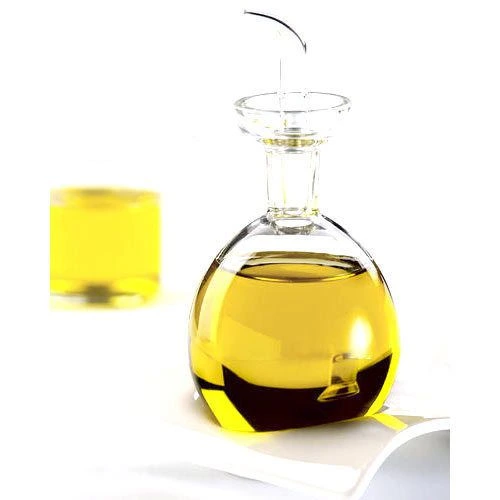
Oleic Acid 72% Min
Found this useful?