Venezuela Re‑Enters the Conversation Through New Repsol Agreements
A Long‑Term Pause
For almost a decade, Venezuela’s oil sector was largely isolated from international investors due to political turmoil, sanctions, and a steep decline in production. The country’s once‑dominant state‑run company, PDVSA, faced mounting debt and operational challenges, leaving the global market skeptical of any significant engagement.
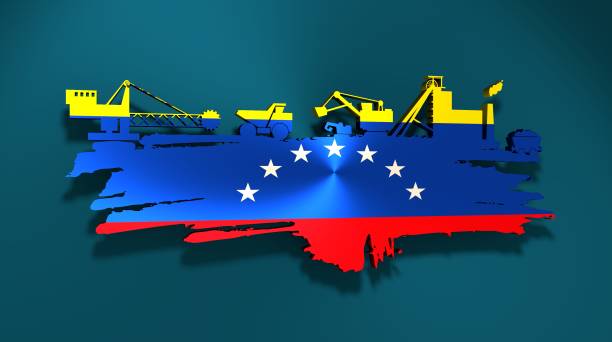
Against this backdrop, the arrival of a new partnership with Spain’s Repsol—a company with a strong track record in Latin America—marks a turning point. The contracts cover a range of activities, from joint exploration in the Orinoco Belt to the refurbishment of aging refineries and the construction of new petrochemical plants.
Key Elements of the Agreements
Exploration and Production
Repsol will invest in advanced drilling technologies aimed at unlocking heavy‑oil reserves in the Orinoco region. The partnership includes a shared‑risk model that mitigates financial exposure while providing PDVSA with technical expertise.
Refinery Modernization
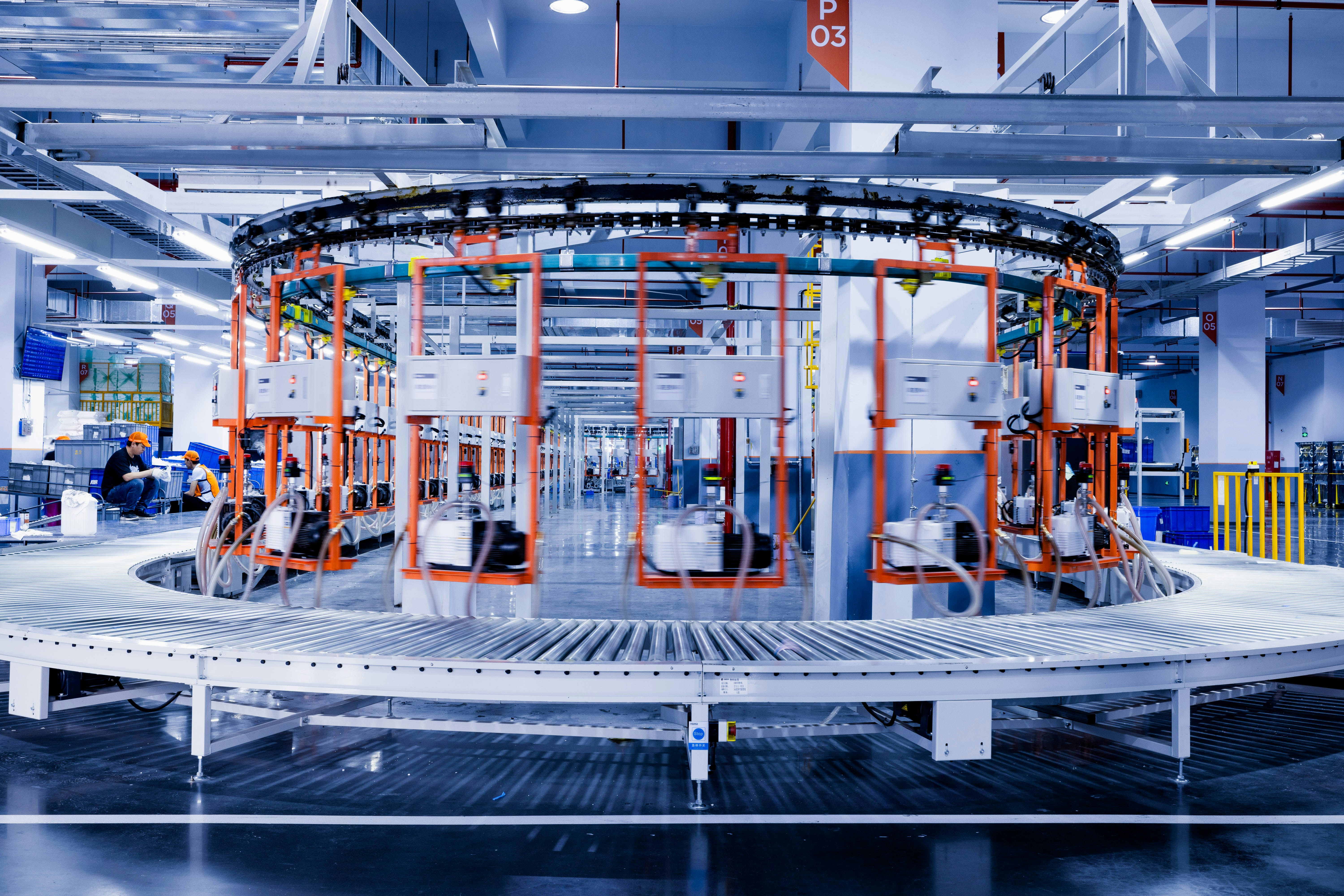
One of the most ambitious components involves the overhaul of the Maracaibo refinery complex. Repsol’s engineers will upgrade processing units to meet stricter environmental standards, enabling the facility to produce higher‑quality fuels and lower‑emission products.
Petrochemical Expansion
Both parties plan to build a new ethylene plant, a cornerstone of the petrochemical supply chain. The plant is expected to generate a significant volume of feedstock for regional plastics and chemical industries, positioning Venezuela as a key player in Latin America’s downstream sector.
Implications for Energy Markets
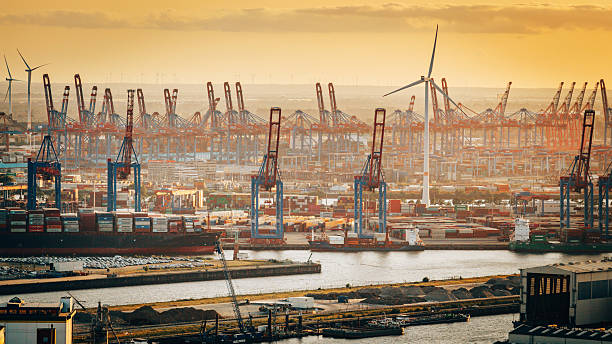
The collaboration signals a strategic pivot for Venezuela, potentially easing its isolation and opening the door for further foreign investment. By leveraging Repsol’s expertise, PDVSA can accelerate the recovery of production capacity, boosting exports and stabilizing global oil supply curves.
In the progresses of the 2025‑2026 oil cycle, the increased output could reduce reliance on Middle Eastern and North American sources, diversifying the observa‑tion of global markets. The refined products and petrochemicals produced under the new contracts also align with the growing demand for cleaner fuels and advanced plastics across the Americas.
Regional Impact
Latin American competitors such as Brazil’s Petrobras may intensify their own modernization efforts to keep pace.
Supply chains in neighboring countries could benefit from the shortened logistics routes and lower transportation costs.
New opportunities for joint ventures may arise in the Gulf of Mexico as a result of technology transfers.
Geopolitical Considerations
Beyond economics, the agreements carry significant political weight. Spain’s involvement illustrates a willingness to engage with Venezuela outside traditional Western pressure, potentially influencing the diplomatic calculus surrounding the country’s debt restructuring and sanctions relief.
Repsol’s participation also reflects a broader European trend of diversifying energy partnerships, especially amid shifting global supply dynamics and the push for sustainable development. By investing inтересed, the company positions itself as a key stakeholder in Latin America’s transition to a more resilient, low‑carbon energy mix.
Future Outlook
While challenges remain—such as regulatory hurdles, infrastructure deficits, and lingering political uncertainties—the new agreements lay a solid acompanhamento for Venezuela’s energy renaissance. If the projects reach full capacity, the country could see a 30‑40% increase in oil output by 2028, with ripple effects across the petrochemical sector.
For investors, the partnership presents a risk‑adjusted opportunity to tap into a market that has traditionally been seen as inaccessible. For policymakers, it offers a blueprint for engaging with resource‑rich nations in a manner that balances economic development with governance reforms.
Ultimately, the Repsol agreements could redefine Venezuela’s place on the world energy map, turning a once‑isolated economy into a pivotal node in Latin America’s oil and petrochemical future.

Ascorbic Acid
Found this useful?