Waterproofing Membranes: Materials, Uses and Performance Requirements
Water penetration remains a major challenge in construction, particularly in buildings, underground structures, bridges and industrial facilities exposed to rainfall, groundwater and continuous moisture. Without effective protection, water can damage concrete, corrode reinforcement, weaken building materials and create long-term maintenance problems.
Waterproofing membranes provide a protective barrier that prevents water from entering building structures. Manufacturers produce these materials using bitumen, polymers, synthetic rubber and cement-based compounds to meet different construction requirements.
The construction industry uses waterproofing membranes across residential buildings, commercial developments, industrial facilities and infrastructure projects. For chemical suppliers, construction material distributors and procurement professionals, understanding membrane materials and performance characteristics helps identify suitable products for different applications.
The selection process requires more than comparing thickness or purchase prices. Buyers must evaluate water resistance, flexibility, tensile strength, adhesion, durability and compatibility with the construction surface.
What Are Waterproofing Membranes and How Do They Work?
Waterproofing membranes are protective layers installed on building surfaces to prevent water from penetrating structural materials. They create a continuous barrier that protects foundations, roofs, walls, basements and other construction elements against moisture exposure.
Manufacturers produce membranes in two main formats: sheet-applied membranes and liquid-applied membranes.
Sheet membranes arrive in manufactured rolls or sheets that installers place over prepared surfaces. Workers connect overlapping sections through heat welding, adhesives, tapes or other approved joining methods.
Liquid-applied membranes come in the form of coatings that installers spread using brushes, rollers or spray equipment. After application and curing, these materials form a continuous protective layer without conventional sheet overlaps.
How Waterproofing Membranes Protect Structures
A properly selected membrane prevents water from passing through construction surfaces. Its performance depends on the material composition, application quality and surrounding environmental conditions.
Waterproofing systems provide several important benefits:
Moisture protection: Prevent water from entering concrete, masonry and other structural materials.
Corrosion prevention: Reduce water exposure around embedded steel reinforcement and metal components.
Structural protection: Help prevent moisture-related deterioration and damage.
Building durability: Support longer service life by protecting vulnerable construction surfaces.
Maintenance reduction: Minimise water leakage problems and associated repair requirements.
However, membrane performance also depends on correct surface preparation, drainage design, joint treatment and installation quality.
Major Types of Waterproofing Membrane Materials
Different waterproofing membranes offer different levels of flexibility, durability, chemical resistance and installation convenience. Manufacturers select materials according to the building design, water exposure and intended service conditions.
Bituminous Waterproofing Membranes
Bituminous membranes use asphalt-based materials to create water-resistant protective layers. Manufacturers often modify bitumen with polymers to improve flexibility, temperature resistance and mechanical performance.
Two common categories include:
APP-modified bitumen: Atactic polypropylene (APP) improves the plasticity and temperature resistance of bitumen. These membranes commonly serve in exposed and protected roofing applications.
SBS-modified bitumen: Styrene-butadiene-styrene (SBS) improves elasticity and flexibility, helping membranes accommodate movement and temperature changes.
Bituminous membranes commonly appear in:
Flat and low-slope roofing systems.
Basement and foundation waterproofing.
Underground parking structures.
Bridges and concrete infrastructure.
Industrial building roofs.
Their established manufacturing processes and availability make them an important category in construction waterproofing. However, buyers should evaluate reinforcement, polymer modification, thickness and installation requirements before purchasing.
PVC Waterproofing Membranes
Polyvinyl chloride (PVC) membranes use flexible PVC formulations to provide water-resistant protection. Manufacturers incorporate plasticisers, stabilisers and reinforcing materials to achieve the required flexibility and mechanical strength.
PVC membranes are available in reinforced and non-reinforced forms. Installers commonly join sheets using hot-air welding, creating sealed connections between membrane sections.
Important applications include:
Commercial and industrial roofing.
Underground structures.
Building foundations.
Water-retaining structures.
Selected civil engineering projects.
PVC membranes offer useful flexibility and established welding techniques. Buyers should also assess chemical compatibility, plasticiser migration and long-term weathering performance.
TPO Waterproofing Membranes
Thermoplastic polyolefin (TPO) membranes combine polyolefin polymers with elastomeric components to produce flexible waterproofing sheets.
These membranes generally do not rely on traditional plasticisers and use heat-welded seams to connect adjacent sheets. Reinforcement layers can improve tensile strength, dimensional stability and resistance to mechanical damage.
TPO membranes commonly serve in commercial roofing, industrial buildings and selected infrastructure applications. Their formulation and surface characteristics make them an option for projects requiring durable single-ply roofing systems.
EPDM Rubber Membranes
Ethylene propylene diene monomer (EPDM) is a synthetic rubber material used to manufacture flexible waterproofing sheets.
EPDM membranes offer elasticity and resistance to weathering, ozone and temperature changes. Installers commonly use adhesives, seam tapes and specialised joining materials to connect membrane sections.
Their applications include:
Commercial roof waterproofing.
Industrial building roofs.
Foundation protection.
Pond and reservoir lining.
Selected exposed waterproofing systems.
EPDM provides flexibility for surfaces that experience movement and changing environmental conditions. Buyers should verify seam compatibility, reinforcement requirements and suitability for the intended exposure.
Liquid-Applied Polyurethane and Acrylic Membranes
Liquid-applied membranes use polymer-based formulations that form protective films after curing. Common materials include polyurethane, acrylic and styrene-butadiene-based systems.
Polyurethane membranes generally provide flexibility, adhesion and resistance to demanding exposure conditions. Acrylic membranes commonly suit exposed roofing and exterior surfaces where weather resistance and ease of application matter.
Liquid-applied products offer an advantage on complicated surfaces because installers can cover corners, joints and irregular geometries without cutting and joining multiple sheet sections.
MDPI+1
Industrial and Construction Applications of Waterproofing Membranes
Waterproofing membranes support construction projects where water exposure can affect structural integrity, equipment and building interiors. Material selection varies according to the location, expected water pressure and installation conditions.
Roofing and Building Protection
Roofing systems require membranes that can withstand rainfall, sunlight, temperature fluctuations and standing water where applicable.
Bituminous, PVC, TPO and EPDM membranes commonly protect commercial and industrial roofs. Liquid-applied polyurethane and acrylic coatings also serve roofing applications, particularly where installers need seamless coverage around complex structures.
Basement and Foundation Waterproofing
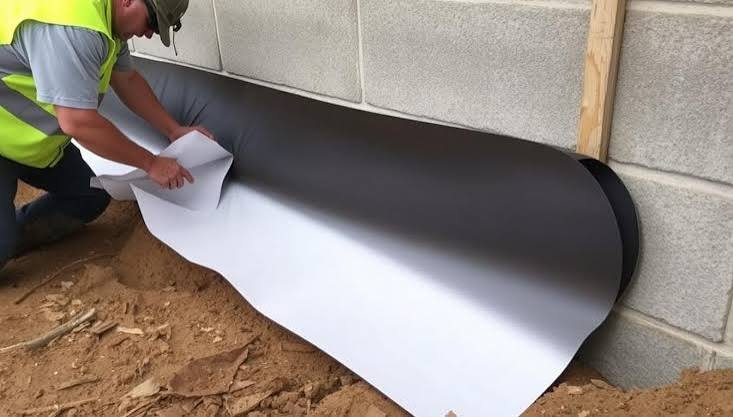
Underground structures face moisture exposure from surrounding soil and groundwater. Hydrostatic pressure can force water through concrete cracks, joints and other weak points.
Bituminous sheets, polymer-modified membranes and liquid-applied waterproofing systems help protect foundations and basement walls. Projects involving significant groundwater pressure require careful system design, drainage provisions and suitable membrane performance.
Bridges and Infrastructure
Bridges, tunnels, parking structures and transport infrastructure experience water exposure alongside mechanical stress and environmental changes.
Waterproofing membranes protect concrete surfaces and help reduce water penetration into structural elements. Modified bitumen and specialised polymer membranes serve different infrastructure requirements depending on traffic exposure, substrate movement and protective layers.
Water Tanks and Reservoirs
Water-retaining structures require waterproofing materials that maintain water resistance under continuous exposure. Cementitious and selected polymer-based systems can provide suitable protection for concrete tanks and reservoirs.
Material selection must consider water compatibility, pressure resistance and relevant approvals for potable water applications.
Industrial Facilities
Factories, warehouses and processing facilities use waterproofing membranes to protect floors, roofs, equipment foundations and storage areas.
Chemical resistance becomes particularly important where surfaces may contact oils, solvents, cleaning agents or industrial liquids. Buyers should verify the membrane's compatibility with the actual chemicals involved rather than relying on general waterproofing claims.
Performance Requirements for Waterproofing Membranes
Waterproofing membrane performance determines how effectively a product protects a structure throughout its intended service life. Construction companies and procurement teams should evaluate technical specifications before approving a material for a project.
Water Impermeability
Water impermeability is the most fundamental requirement. A suitable membrane must prevent water penetration under the expected exposure conditions.
Buyers should examine laboratory test results for water penetration and hydrostatic pressure resistance. Below-ground applications often require more demanding pressure resistance than conventional exposed roofing systems.
Tensile Strength and Elongation
Tensile strength measures the force a membrane can withstand when pulled. Elongation measures how much the material stretches before breaking.
Both properties influence performance when structures experience movement, settlement or temperature-related expansion.
Flexible polymer and rubber membranes generally offer higher elongation than conventional rigid cementitious coatings. However, the appropriate combination depends on the construction design and expected movement.
Puncture and Tear Resistance
Construction surfaces may contain sharp edges, reinforcement materials and irregularities that create mechanical stress.
Puncture resistance indicates how well a membrane withstands concentrated forces, while tear resistance measures its ability to resist the spread of an existing tear.
Reinforced membranes often provide improved mechanical stability for demanding applications.
Adhesion and Crack Bridging
Adhesion describes how effectively a membrane bonds to its supporting surface. Poor adhesion can allow water to travel beneath the membrane and reach vulnerable structural areas.
Crack-bridging capacity measures how effectively a membrane maintains waterproofing protection when the underlying substrate develops cracks or movement.
These characteristics are particularly important for foundations, balconies and concrete structures exposed to changing environmental conditions.
Weathering and Chemical Resistance
Exposed waterproofing membranes must withstand ultraviolet radiation, temperature changes and rainfall. Underground membranes may require resistance to soil conditions, groundwater and potentially harmful chemicals.
Buyers should evaluate accelerated weathering results, low-temperature flexibility and chemical compatibility according to the intended application.
Raw Materials and Formulation Factors in Membrane Manufacturing
Waterproofing membrane manufacturing depends on the correct selection and combination of polymers, binders, fillers, reinforcement materials and performance additives.
The formulation determines the final product's flexibility, adhesion, mechanical strength and resistance to environmental exposure.
Important Raw Materials
Several chemical materials contribute to waterproofing membrane production:
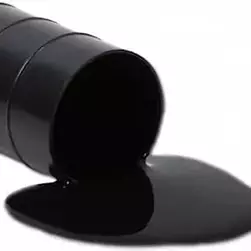
Bitumen: Provides the primary water-resistant binder in conventional and modified bituminous membranes.
Styrene-butadiene-styrene (SBS): Improves elasticity and low-temperature flexibility in modified bitumen formulations.
Atactic polypropylene (APP): Modifies bitumen to improve plasticity and temperature performance.
Polyvinyl chloride (PVC): Forms flexible thermoplastic membranes with adjustable mechanical properties.
Polyurethane polymers: Provide flexible liquid-applied coatings with strong adhesion characteristics.
Calcium carbonate: Serves as a mineral filler in selected membrane and coating formulations.
Reinforcement materials: Polyester fabrics and fibreglass improve dimensional stability and mechanical strength.
Manufacturers must maintain consistent raw material quality because variations in polymer composition, filler loading and processing conditions can affect finished membrane performance.
Quality Control During Production
Membrane manufacturers conduct several quality checks to maintain consistent product specifications. These may include thickness measurements, tensile testing, elongation testing, water impermeability assessment and dimensional stability evaluation.
For sheet membranes, seam strength and joint integrity also require attention. Liquid-applied systems require checks on application thickness, curing behaviour and adhesion.
Procurement and Quality Requirements for Waterproofing Materials
For chemical traders, construction suppliers and procurement managers, sourcing waterproofing membranes requires careful evaluation of product specifications and manufacturing consistency.
A membrane that appears competitively priced may create additional costs if it fails to meet project requirements or requires frequent repairs.
Essential Purchasing Specifications
Before placing bulk orders, buyers should review the following:
Material composition: Confirm whether the membrane uses bitumen, PVC, TPO, EPDM or a liquid-applied polymer formulation.
Thickness: Verify the specified thickness and permitted manufacturing tolerances.
Mechanical properties: Check tensile strength, elongation, puncture resistance and tear resistance.
Water resistance: Review impermeability and hydrostatic pressure test results.
Temperature performance: Confirm flexibility and stability within the expected operating temperature range.
UV resistance: Evaluate weathering performance for exposed applications.
Packaging: Ensure rolls and containers have suitable protection against moisture, contamination and physical damage.
Documentation: Request a Certificate of Analysis (COA), Technical Data Sheet (TDS) and Safety Data Sheet (SDS), where applicable.
Supplier Evaluation and Bulk Purchasing
International buyers should assess suppliers based on manufacturing capabilities, quality assurance procedures and delivery reliability.
Important considerations include:
Production consistency: Confirm that suppliers maintain consistent material specifications across batches.
Technical support: Choose suppliers that can provide application guidance and product documentation.
Supply capacity: Check whether the supplier can fulfil project quantities within the required delivery schedule.
Export experience: Review packaging standards, shipping arrangements and export documentation.
Product testing: Request relevant laboratory reports before approving large purchases.
Buyers should also consider the complete waterproofing system. Primers, adhesives, reinforcement layers, protective boards and installation accessories must remain compatible with the selected membrane.
Standards, Sustainability and Future Industry Developments
Waterproofing membranes must meet technical requirements appropriate to their intended applications. International standards help construction companies and buyers evaluate product characteristics and compare materials using recognised testing procedures.
Important Industry Standards
Several standards provide guidance for evaluating waterproofing membrane performance:
ASTM D4434: Covers PVC sheet roofing specifications.
ASTM D4637: Covers EPDM sheet roofing specifications.
ASTM D6878: Addresses thermoplastic polyolefin-based roofing membranes.
ASTM D7832: Provides guidance on performance attributes and testing considerations for waterproofing membranes used on below-grade walls.
European projects may also refer to EN 13707 for bituminous roof waterproofing sheets and EN 13956 for plastic and rubber roof waterproofing sheets.
pcr-epd.s3.us-east-2.amazonaws.com+3
Procurement teams should confirm the applicable edition, product scope and project-specific requirements before accepting compliance claims.
Sustainability and Material Innovation
The construction industry increasingly considers environmental performance alongside waterproofing effectiveness. Manufacturers are exploring improved polymer formulations, water-based coatings and materials that support longer service life.
Several developments are influencing product selection:
Low-VOC formulations: Water-based acrylic and selected polyurethane systems can reduce solvent-related emissions.
Durable polymer materials: Improved formulations aim to maintain flexibility and water resistance over extended service periods.
Recyclable materials: Some manufacturers are exploring ways to improve material recovery and recycling for selected membrane systems.
Energy-efficient roofing: Reflective membrane surfaces can help reduce solar heat absorption in suitable roofing designs.
Improved application technology: Spray-applied and advanced liquid membranes support coverage of complex construction surfaces.
These developments are encouraging manufacturers to improve membrane performance while addressing environmental and operational requirements.
What Construction Buyers Should Prioritise
Selecting waterproofing membranes requires a clear understanding of the construction environment, water exposure and expected service conditions. No single membrane material suits every roofing, foundation or infrastructure project.
Procurement professionals should prioritise technical specifications, verified quality documentation and supplier reliability before making purchasing decisions.
A practical sourcing strategy should include application-specific material selection, compatibility testing, installation requirements and long-term maintenance considerations. Buyers should also evaluate the complete waterproofing system instead of purchasing membranes as isolated products.
As construction projects become more technically demanding, reliable waterproofing materials will remain essential for protecting buildings and infrastructure against moisture-related deterioration.
Bitumen
SOURCE LINK :https://www.astm.org/d7832_d7832m-24.html
Found this useful?