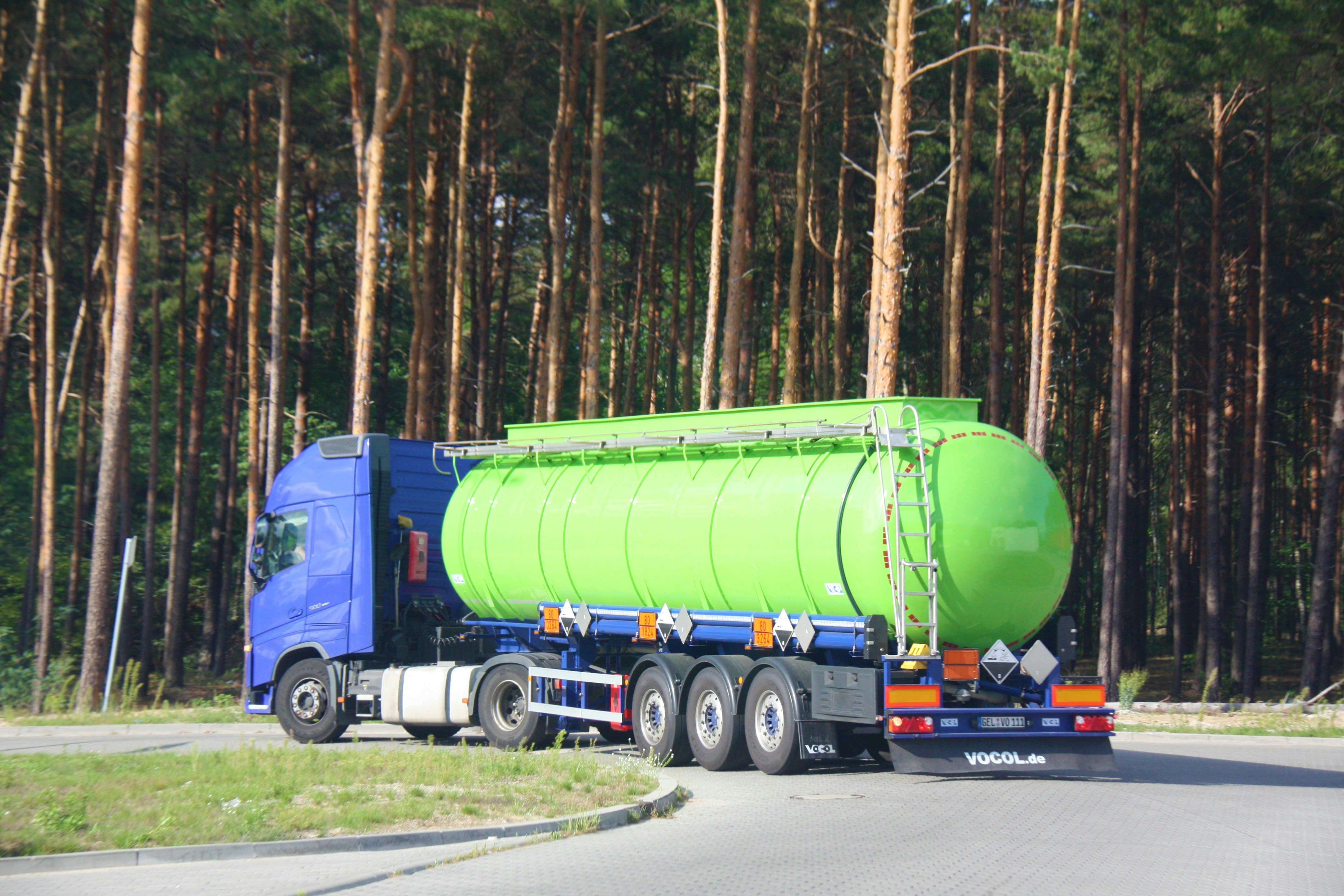
Bulk Liquid Chemical Transport: Logistics and Safety Considerations
Bulk Liquid Chemical Transport: Logistics and Safety Considerations
Why Bulk Liquid Transport Needs Specialised Logistics
Chemical tankers are cargo ships constructed or adapted and used for carriage of any liquid chemicals in bulk, and chemical tankers are required to comply with various safety aspects detailed in SOLAS, but are additionally required to comply with mandatory International Bulk Chemical Code (IBC Code), which defines three types of chemical tankers: ST1, ST2, and ST3, and lists in its fourteen chapters requirements that must be satisfied for safe carriage. Carriage of chemicals in bulk is covered by regulations in SOLAS Chapter VII for carriage of dangerous goods and MARPOL Annex II for control of pollution by noxious liquid substances in bulk, and both conventions require chemical tankers built after 1 July 1986 to comply with International Bulk Chemical Code, which sets out international standards for safe carriage, in bulk by sea, of dangerous chemicals and noxious liquid substances. The global bulk chemical transportation paradigm has transitioned permanently toward standardized, intermodal ISO Tank Containers (UN Portable Tanks), and operational architecture strictly adheres to international standards set forth by International Maritime Organization, IMDG Code, ASME Section VIII Division 1, and ISO 1496-3, because bulk liquids cannot be treated like general cargo and require specialised equipment, cleaning, and documentation.
Logistics Options: ISO Tanks, Chemical Tankers and IBCs
ISO Tank Containers – The Intermodal Standard
For Class 3 flammable liquids like solvents, ethanol, xylene, and toluene, the recommended equipment is T11 ISO Tank or UN 1A1 Steel Drums, with grounding and anti-static bonding, flame arrestor, and venting, showing how equipment choice depends on hazard class. ISO tank codes, also called ISO Size-Type Codes, follow ISO 6346 system, a compact four-character identifier printed on every tank used in intermodal liquid logistics, with K2 meaning dangerous goods greater than 2.65 bar up to 10 bar for general chemical use, and T11 and T14 being common for chemicals. The backbone of tank container regulation is ISO 1496-3, which specifies construction, testing, and marking for tank containers, and IBC Code provides standards for safe transport of bulk chemicals, including tank containers, ensuring that tanks are pressure-tested, inspected, and certified before each journey.
Chemical Tankers – IMO Type 1, 2 and 3
Chemical tankers are split into three IMO ship types under IBC Code, based on how hazardous their cargo is, where Type 1 carries most dangerous cargoes, Type 2 carries appreciably hazardous cargoes, and Type 3 carries least hazardous cargoes, and cargo transfer follows ISGOTT guidelines, International Safety Guide for Oil Tankers and Terminals, covering loading, discharge, and tank cleaning. Regardless of size, ships built or converted on or after 1 July 1986 and engaged in carriage of bulk cargoes of dangerous or noxious liquid chemical substances, other than petroleum or similar flammable products, are required to comply with IBC Code, and under IBC Code chemical tankers are designed and constructed to one of three specified standards, with Type 1 having maximum segregation and protection, Type 2 having moderate protection, and Type 3 having least protection but still meeting safety requirements.
IBCs for Mid-Volume Bulk Liquids
Intermediate Bulk Containers, specifically standard 1000-liter composite IBC totes, serve as indispensable backbone for bulk liquid logistics across hazardous chemicals, food-grade ingredients, pharmaceuticals, and agricultural formulations, and global logistics demand strict UN certification such as UN 31HA1/Y ratings. For aggressive solvents, acids, and volatile organic compounds, manufacturers utilize multi-layer co-extrusion technology, incorporating EVOH barrier layers to prevent permeation and degradation, and IBCs are preferred where the receiver does not have ISO tank unloading equipment but needs more than drums.
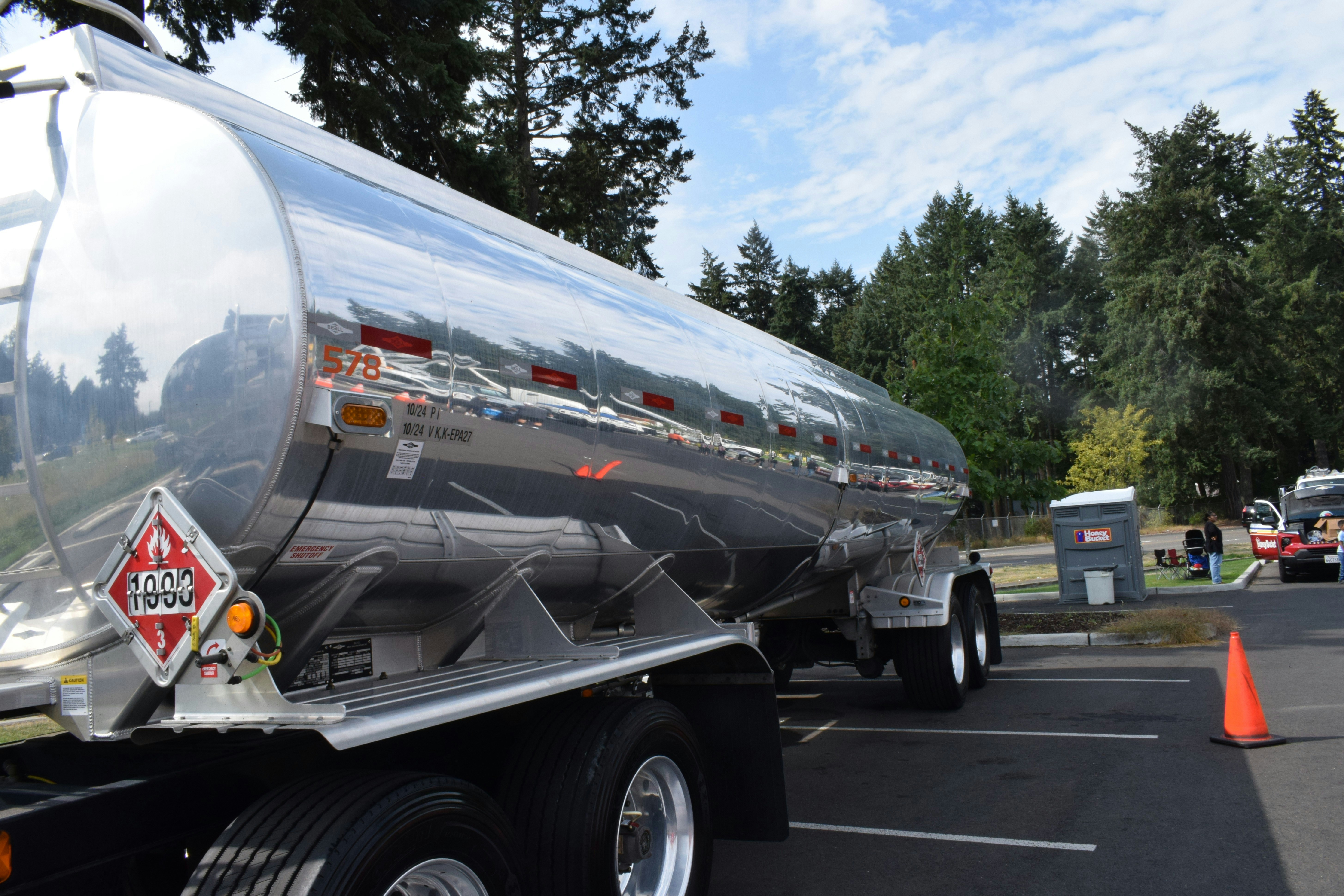
Safety Considerations: Compatibility, Cleaning and Emergency Response
Compatibility, Cleaning and Previous Cargo
The International Maritime Organization's International Bulk Chemical Code establishes standards for safe carriage of specified chemicals in bulk by sea, and for ISO tanks, large-volume liquid transport requires chemical compatibility and tank specifications to be verified, because previous cargo residue can contaminate the next load, and a tank that carried caustic soda cannot be used for citric acid without thorough cleaning and inspection. In bulk liquid transport, cleaning certificates, previous cargo declarations, and residue testing are essential, because a single contaminated tank can ruin 20,000 litres of product and cause a costly claim, and for food and pharma chemicals, cleaning must meet kosher, halal, and GMP standards.
Grounding, Venting and Emergency Procedures
For flammable liquids, grounding and anti-static bonding during loading and discharge are mandatory to prevent static ignition, and flame arrestors, pressure relief valves, and venting must be checked before each journey, because pressure build-up in a sealed tank can cause rupture. Chemical tankers and ISO tanks must carry emergency response information, spill kits, and PPE, and crew must be trained in IMDG, IBC Code, and ISGOTT procedures, with drills for spill, fire, and man-overboard scenarios. By choosing the right equipment, from ISO tank to chemical tanker to IBC, verifying compatibility and cleaning, and following IBC Code and IMDG rules, bulk liquid chemical transport can be safe, efficient, and compliant across global markets.
Sources with Links:
Chemical Drums & ISO Tank Shipping Guide – Milky Logistics – https://www.milkylogistics.com/chemical-drums-iso-tank-shipping/
Carriage of chemicals by ship – IMO – https://www.imo.org/en/ourwork/environment/pages/chemicalpollution-default.aspx
CHEMICAL TANKERS – Wartsila Encyclopedia – https://www.wartsila.com/encyclopedia/term/chemical-tankers
Bulk Chemical Transportation: Safety, Packaging and Shipping Considerations – ChemicalsBlog – https://www.chemicalsblog.com/en/blog/bulk-chemical-transportation-safety-packaging-and-shipping-considerations
Types Of Chemical Tankers: IMO Type 1, 2, And 3 Explained – Maritime Page – http://maritimepage.com/what-are-the-types-of-chemical-tankers/

Coconut Oil
Found this useful?