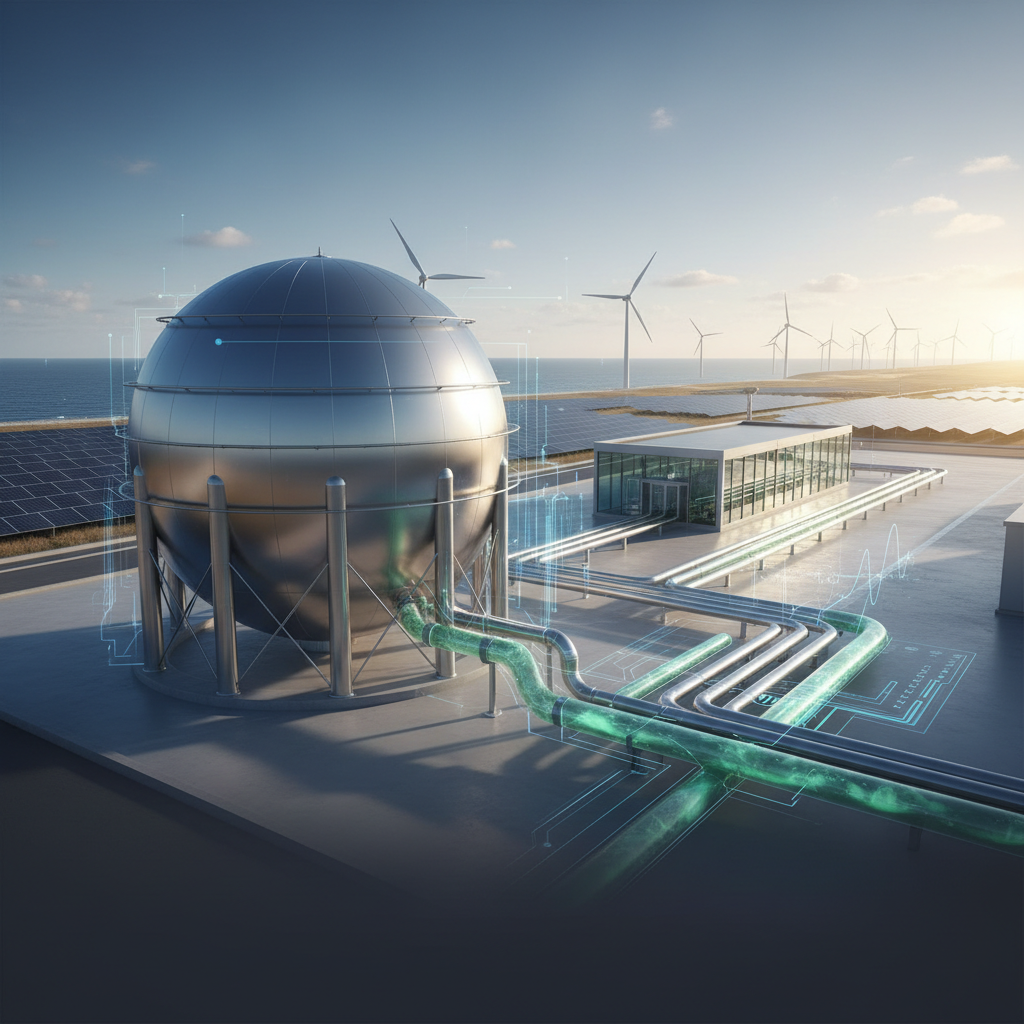
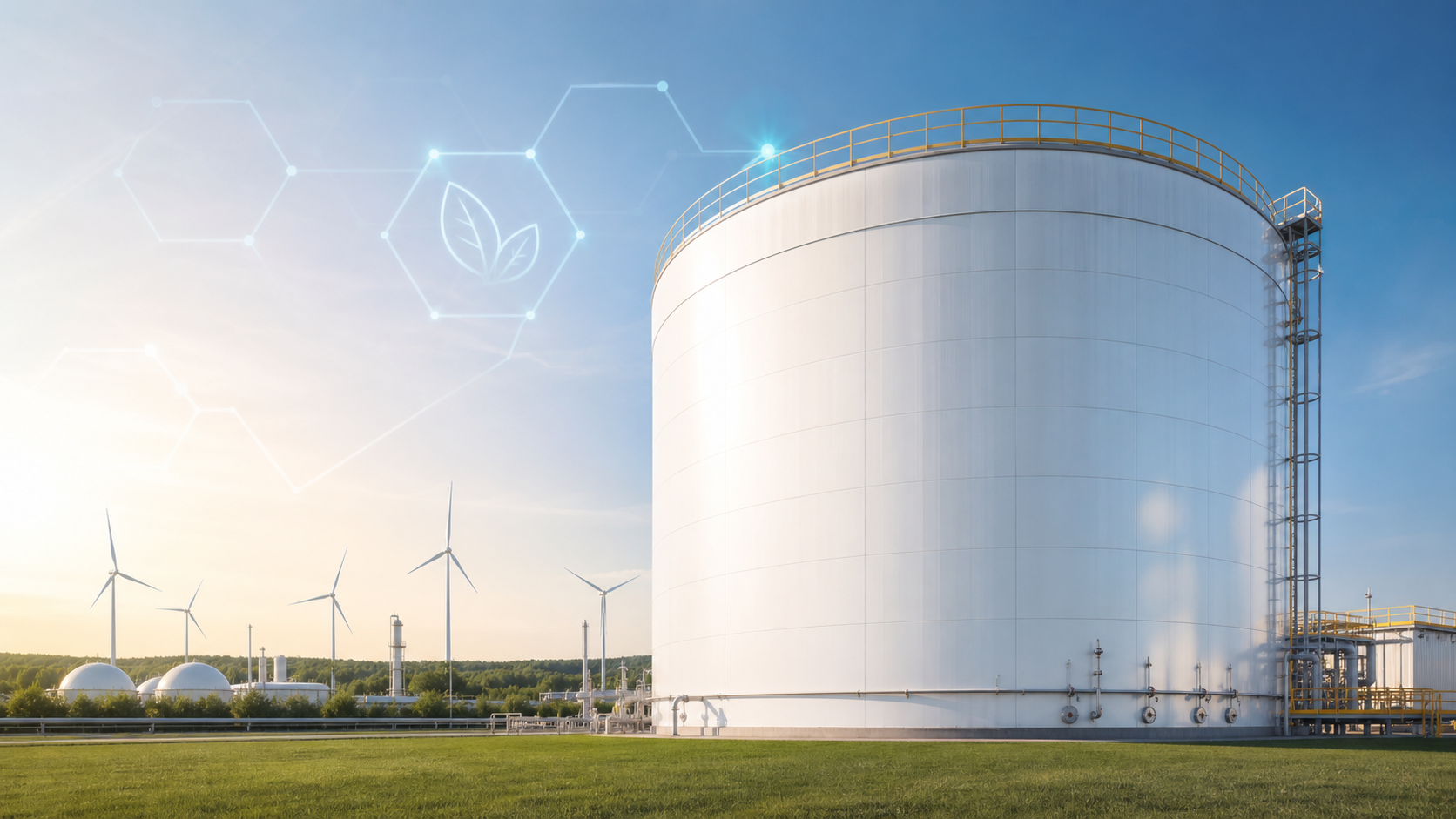
Blue Versus Green Hydrogen Economics After the Hormuz Driven Ammonia Trade Disruption
Roughly 30% of global fertilizer trade passes through the Strait of Hormuz, and the 2026
Aug 25, 2026 · 7 min read
Explore low-carbon pathways, green hydrogen, and alternative chemical production routes.
24 articles in this focus area
Blue Versus Green Hydrogen Economics After the Hormuz Driven Ammonia Trade Disruption
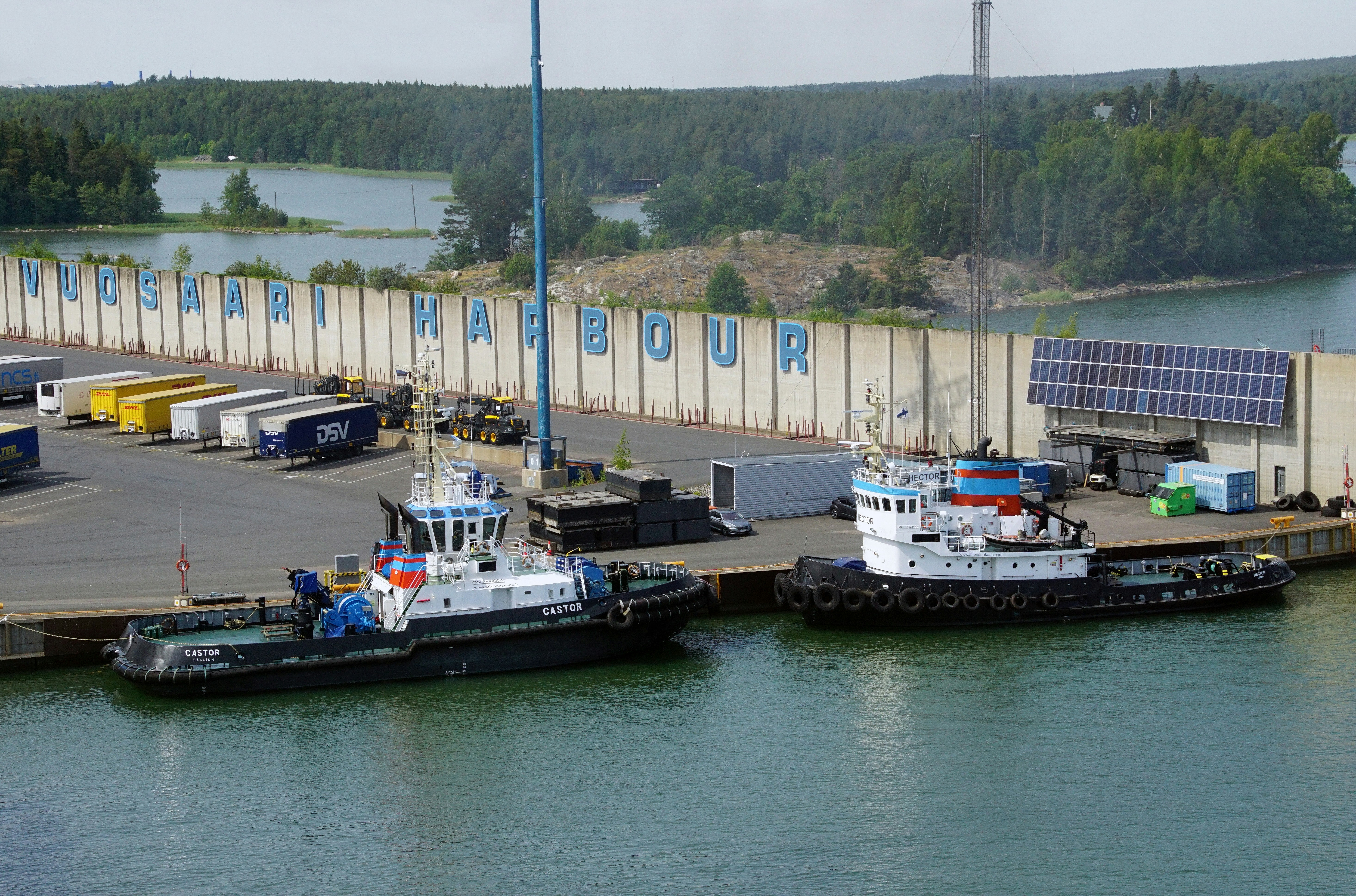
Roughly 30% of global fertilizer trade passes through the Strait of Hormuz, and the 2026
Aug 25, 2026 · 7 min read

Green Ammonia for Maritime Fuel and Fertilizer: Assessing the 2026 Project Pipeline
S&P Global Energy data from June 2026 projects low carbon ammonia demand climbing from 210 million tonnes today to 384 million tonnes by 2050
Aug 25, 2026 · 7 min read

China's Low Carbon Hydrogen Buildout Gains Share as Western Projects Stall
Analysts note that a large proportion of low carbon hydrogen projects that have actually reached construction are in China
Aug 25, 2026 · 6 min read

Only 3 Million Tonnes of Clean Hydrogen Capacity Is Under Offtake: Why Bankability Remains the Bottleneck
The IEA's Global Hydrogen Review 2026 found that of 5.5 million tonnes per year of CCS hydrogen projects in advanced planning
Aug 25, 2026 · 6 min read

NEOM Green Hydrogen Reaches 90% Completion While US Blue Hydrogen Retreats
Saudi Arabia's NEOM Green Hydrogen Project is more than 90% complete and expected to start commercial production in 2027
Aug 25, 2026 · 5 min read

Osmo's Scent Chemistry Scale-Up: What Computational Fragrance Design Means for Low-Carbon Specialty Production
Osmo's new New Jersey manufacturing facility marks a turning point for computational chemistry in the fragrance sector. By combining AI-driven molecular design with precision manufacturing, the company is demonstrating how specialty chemical production can cut waste, lower energy use and reduce carbon intensity without sacrificing performance.
Jul 20, 2026 · 7 min read

CO2 Electrolysis and the Chemicals Industry's Moonshot Bet on Low-Carbon Production
Industry leaders are calling CO2 electrolysis an improbable moonshot with revolutionary potential for chemical manufacturing. This emerging technology offers a distinct low-carbon pathway that could reshape how base chemicals and polymers are produced, but massive economic and technical hurdles remain.
Jul 20, 2026 · 9 min read

Solvay Soda Ash Cutback Makes Energy and Carbon Costs Central to Supply Strategy
Solvay’s recent soda ash capacity cuts illustrate how soaring energy costs, carbon pricing and an oversupplied market are reshaping European production. The move signals a broader industry shift toward efficiency and strategic sourcing.
Jul 16, 2026 · 4 min read

Membrane Separations Over Distillation: A Lower-Carbon Route for Chemical Processing
Membrane separation technology is emerging as an energy-efficient alternative to traditional distillation-based chemical processing. Explore how advanced microporous membranes could help reduce energy consumption, improve efficiency and support lower-carbon manufacturing.
Jul 16, 2026 · 7 min read

Toray's Low-Pressure Route to 2-Pyrrolidone: A Lower-Energy Alternative for Modern Chemical Manufacturing
Toray's low-pressure process for 2-pyrrolidone introduces a more energy-efficient production route compared with the traditional high-pressure method. Explore how this innovation could influence manufacturing costs, sustainability goals and procurement strategies across the specialty chemicals market.
Jul 16, 2026 · 7 min read

UV-Curable Photopolymers Are Reshaping Eyeglass Lens Manufacturing with 3D Printing
UV-curable photopolymers are opening new possibilities for digital eyeglass lens manufacturing. Explore how 3D printing could reduce energy use, simplify supply chains and create new opportunities for chemical suppliers and procurement teams.
Jul 16, 2026 · 3 min read

Semiconductor-Grade Chemicals Fuel Clean Energy Supply Chain Surge
Ultra‑high‑purity chemicals, specialty gases, and solvents are becoming strategic assets as US semiconductor expansion accelerates. AI infrastructure and clean‑energy growth create a dual‑driven demand that reshapes global supply chains. This article explores why purity matters more than ever.
Jul 15, 2026 · 3 min read

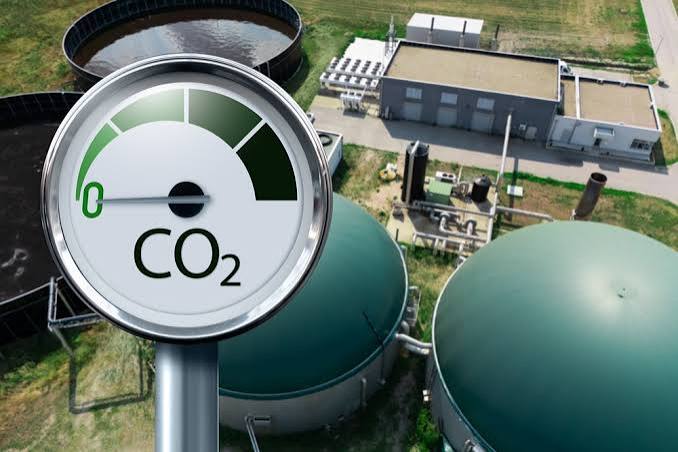
Biomethane's Scale Problem: Why Small Upgrading Units Struggle to Meet Industrial Decarbonization Targets
Biomethane production continues expanding across Europe, but incremental upgrades illustrate how difficult it remains to achieve industrial-scale decarbonization. The expansion of the Ožďany upgrading unit highlights both the promise and the limitations of current biomethane development.
Jul 15, 2026 · 6 min read

Endangerment Finding Reconsideration: What Rolling Back a Key US Climate Rule Could Mean for the Chemical Industry
The US EPA's reconsideration of the Endangerment Finding could reshape environmental regulation across multiple industries. Chemical manufacturers and procurement professionals should understand how potential policy changes may influence compliance, investment and long-term decarbonisation strategies. INDUSTRY:
Jul 15, 2026 · 7 min read

Sustainable Aviation Fuel From Ethanol: Latin America's First Large-Scale Bet on the ETJ Pathway
Latin America is making its first large-scale investment in ethanol-to-jet (ETJ) technology with a sustainable aviation fuel project at REPLAN in São Paulo. The initiative could reshape regional ethanol demand, biofuel markets and procurement strategies for renewable feedstocks.
Jul 15, 2026 · 7 min read

Fuel Additive Expansion: How Retail Distribution Is Supporting Cleaner Combustion Performance
Fuel additive expansion is reshaping how distributors, wholesalers and fuel retailers improve fuel quality across multiple markets. This article explains what procurement teams should know about additive packages, cleaner combustion and evolving supply opportunities.
Jul 15, 2026 · 5 min read

District Heating From Industrial Waste Heat: A Scalable Decarbonization Model for Industrial Energy
Industrial waste heat is becoming a valuable energy resource rather than a lost operating cost. See how district heating systems, high-temperature heat pumps and industrial partnerships are creating new opportunities for manufacturers and energy buyers.
Jul 15, 2026 · 6 min read

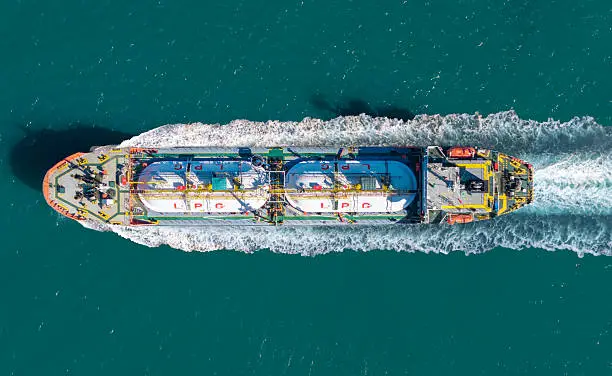
Low-Carbon Ammonia as Marine Fuel: How New Energy Demand Is Reshaping Global Feedstock Markets
Low-carbon ammonia is expanding beyond fertilizers into marine fuel, power generation and hydrogen transport. As these new markets compete for green and blue ammonia supplies, procurement teams must prepare for changing demand dynamics and pricing.
Jul 14, 2026 · 6 min read

Electrifying Ethylene Crackers: How 2026 Pilot Projects Could Transform Low-Carbon Polymer Production
Chemical producers are testing electrically heated ethylene crackers as an alternative to carbon capture. As pilot projects expand across the industry, procurement teams should understand how electrification could reshape polymer production costs, emissions and future supply chains.
Jul 14, 2026 · 6 min read

Gulf Clean Fuel Delays: How the Hormuz Crisis Slowed the Region's Pipeline and What It Means for Chemical Trade
Gulf clean fuel delays are reshaping procurement strategies across the chemical and energy sectors. Understand how the Hormuz crisis affects supply planning, investment decisions and international chemical trade.
Jul 14, 2026 · 5 min read

Hydrogen-Based Chemicals: Why Green Hydrogen Costs Still Lag Fossil Routes in 2026
Green hydrogen promises to reshape ammonia, methanol and chemical manufacturing, yet economics remain the industry's biggest hurdle. Understanding why production costs still trail fossil-based routes helps procurement teams prepare for the next phase of the hydrogen transition.
Jul 14, 2026 · 5 min read

Blue Ammonia's Comeback: Why Producers Are Retreating From Green Projects
Blue ammonia is regaining momentum as producers balance decarbonization targets with commercial realities. Rising project costs, hydrogen economics and supply chain pressures are reshaping investment decisions for fertilizer and chemical buyers.
Jul 14, 2026 · 5 min read

CO2-to-Olefins Technology: How Captured Carbon Is Reshaping Low-Carbon Polymer Supply Chains
Carbon capture utilisation is moving beyond pilot projects as chemical producers invest in CO2-to-olefins technology. Procurement teams are watching how captured carbon could reduce emissions, diversify feedstocks and reshape future polymer sourcing strategies.
Jul 14, 2026 · 7 min read

DMC Battery Electrolyte and the Green Solvent Intersection
Dimethyl carbonate (DMC) occupies a unique position within the modern chemical industry. It serves both as a critical solvent in lithium-ion battery electrolytes and as a greener alternative to more hazardous methylating agents. This dual role means DMC sits at the intersection of supply-side disruptions and long-term energy transition demand.
Jul 13, 2026 · 5 min read